
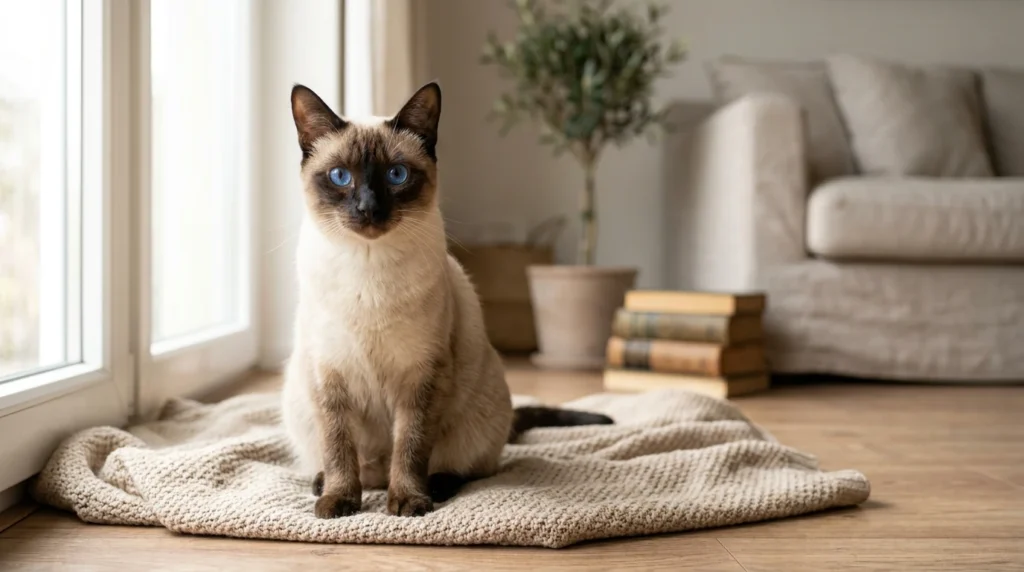
Cat Sneezing a Lot? Common Causes and When to Worry
Is your cat sneezing a lot? Learn common causes of cat sneezing, symptoms to watch for and when it may be time to call a veterinarian.
Practical cat health information about common symptoms, warning signs, hydration, digestion, appetite, and when veterinary care may be needed.
Changes in appetite, water intake, digestion, breathing, or general behavior can be signs that something is different with your cat. Some changes are temporary, while others deserve closer observation or veterinary attention.
In this section of Gato Prático, we bring together practical guides to help cat owners recognize common symptoms, understand what to observe, and know when professional veterinary care may be needed.
If your cat has started drinking more than usual, see why is my cat drinking so much water?. Persistent changes in water intake can be important, especially when they appear together with changes in appetite, weight, or behavior.
For frequent sneezing, read cat sneezing a lot? common causes and when to worry. Occasional sneezing may happen, but repeated episodes or other symptoms may deserve closer attention.
If your cat suddenly refuses food, see why is my cat not eating?. Appetite changes can have many possible causes, and how long the cat has gone without eating is an important factor to consider.
Digestive problems are also common concerns. In cat diarrhea: common causes and when to worry, we explain what to observe in the stool, duration of the problem, and the cat's overall condition.
For vomiting, see cat throwing up? 9 causes and when to worry. Frequency, appearance of the vomit, and other accompanying symptoms can help indicate when veterinary evaluation is appropriate.
The information in this section is educational and does not replace veterinary diagnosis or treatment. Seek veterinary care when symptoms are persistent, severe, getting worse, or accompanied by signs such as weakness, difficulty breathing, blood, obvious pain, repeated vomiting, or refusal to eat.
Is your cat sneezing a lot? Learn common causes of cat sneezing, symptoms to watch for and when it may be time to call a veterinarian.
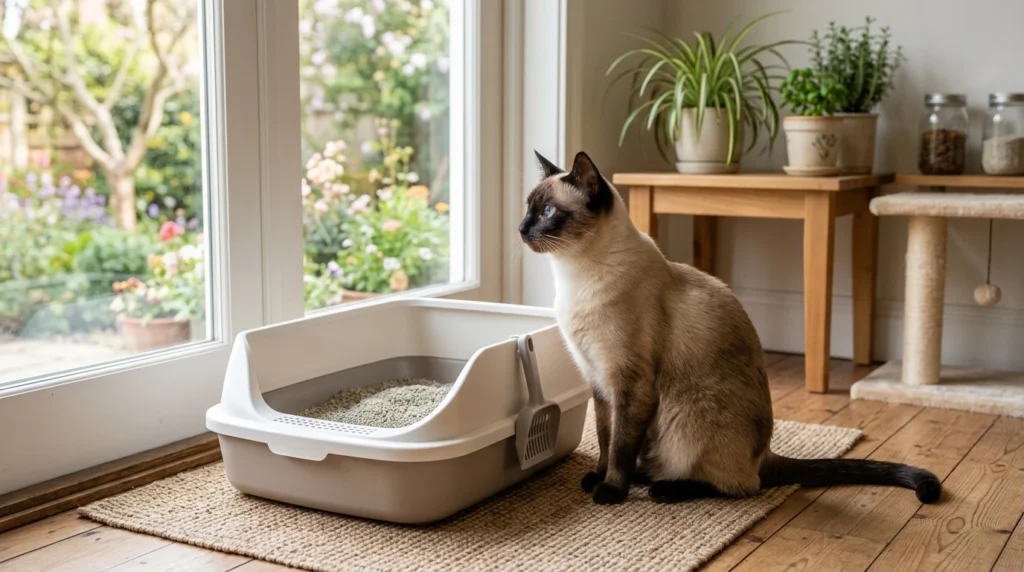
Cat diarrhea can happen for something relatively simple, such as a sudden food change or stress. In other cases, loose
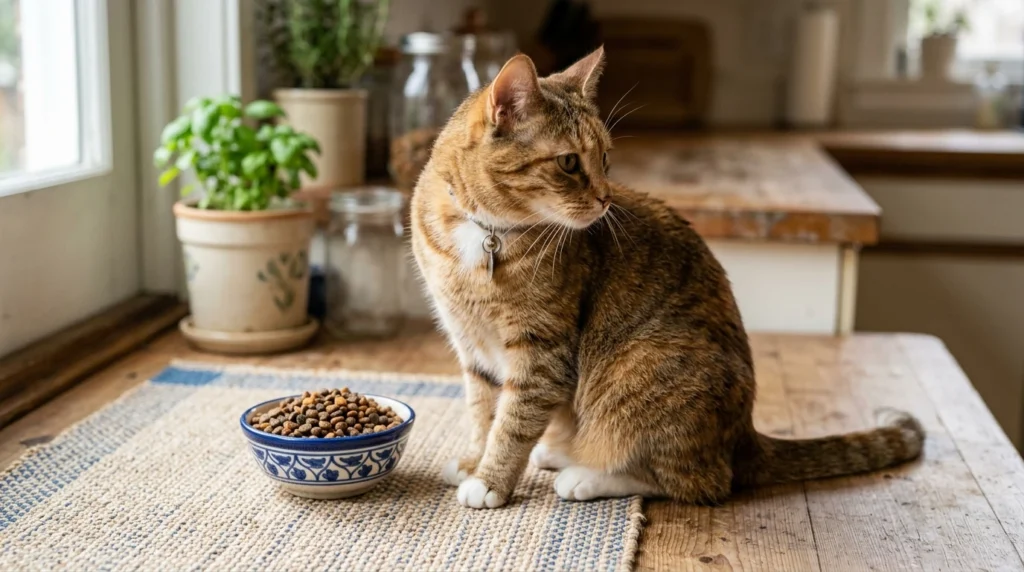
A cat not eating can be reacting to something relatively simple, such as a change in food, stress, or an
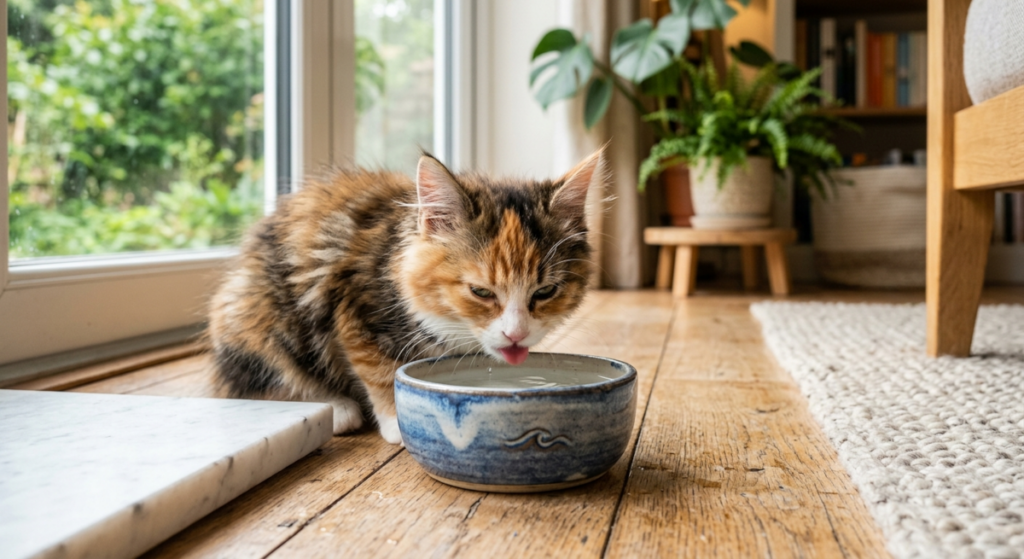
A cat drinking a lot of water may simply be reacting to a change in diet, warmer weather, or a
A cat throwing up may have experienced something relatively minor, such as eating too quickly or bringing up a hairball.